Safety Alert - Accidental Drinking of Chemicals in the Workplace
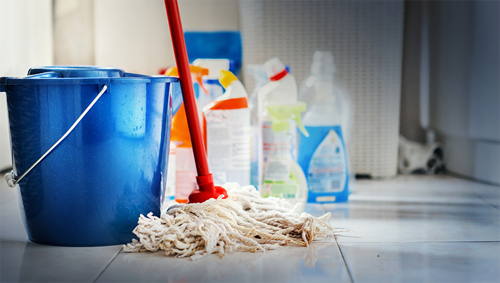
Target audience: Employers, managers, supervisors and workers in workplaces where chemicals are used, stored, decanted or handled, especially where children or vulnerable people may be present.
Why this alert has been issued
The Health and Safety Authority is aware of several serious incidents involving the accidental drinking of chemicals in the workplace. These incidents have resulted in serious harm to workers and vulnerable people, including children.
What happened
The incidents involved chemicals being mistaken for drinking water or other consumable liquids. The types of chemicals drank included:
- Bleach
- Kettle descaler
- Corrosive dishwasher detergent
Causes and related factors
These incidents happened because of unsafe chemical management practices including:
- Unsafe or unsecured storage of chemicals in the workplace, particularly cleaning products (chemicals not stored in locked cabinets or the absence of a secure chemical storage area).
- Chemicals left, or stored, in areas accessible to children or vulnerable people.
- Chemicals poured into unsuitable, unlabelled or inappropriate containers, including drinking glasses and drinks bottles.
Other contributing factors included poor work practices, unclear procedures or a lack of risk assessment for cleaning activities. These incidents happened in places such as leisure facilities, hospitality, childcare, healthcare and residential care settings.
Best Practice
Employers must ensure that chemicals in the workplace, including cleaning products, are properly managed and stored. Employers should take the following actions:
Chemical Management
- Identify all chemicals present in the workplace.
- Ensure the risk assessments include the production, handling, storage, transport and disposal of all chemicals in the workplace.
- Pay particular attention to cleaning and maintenance activities, including any activity where chemicals may be decanted, diluted or transferred.
- Have a procedure in place to ensure that all chemicals are kept in suitable containers which are clearly labelled or identified.
- Ensure workers have access to Safety Data Sheets, as relevant.
- Ensure workers know what to do if a chemical is splashed on skin or eyes, swallowed or inhaled.
- Have a chemical emergency response plan in place and carry out regular chemical emergency safety drills.
Storage
- Communicate to all staff that decanting chemicals into drinks bottles, drinking glasses, food containers or any other unsuitable or unlabelled container, is not allowed.
- Check the Safety Data Sheet before using workplace chemicals, particularly Section 9 on physical and chemical properties, Section 7 on handling and storage, and Section 10 on stability and reactivity.
- Always store chemicals safely and securely, including during use.
- Keep chemicals away from children and vulnerable people.
- Use containers with child-resistant fastenings, where required.