
To deliver healthy and safe working lives and contribute to productive enterprises
Activities Safeguards for Ice (/Snow) Slips and Falls
Ice is mentioned in over 90% of ice (/snow) slips and falls
Over half of workplace ice slips and falls occurred from 6am to 11am
Many accidents involved vehicles, and exiting vehicles
Identify and deal with high-risk activities
Walking on ice
- Avoid ice - Don't walk on ice unless you have to
- Exercise particular caution from 6am to 11am
- If you must walk on ice/ snow slow down, bend your knees slightly, take shorter strides or shuffle and walk at a slower pace
- Keep hands free and out of pockets
- Consider warm gloves to allow people to walk with their hands out of their pockets
- Use handrails or other aids where provided
- Allow extra time for your journey
- Exercise extreme caution if carrying loads
The Napo animated video "Cold case" (59 seconds) shows the hazard ice formed at a leaking pipe
This video (49 seconds) shows an animated slip on ice followed by gritting of the icy area
Footwear for ice (and snow)
- Some slip resistant footwear may provide slip resistance on some types of ice
- Avoid footwear where the tread pattern readily becomes clogged with snow or ice
- The rate my treads website provides advice on the slip-resistance of "winter footwear" and the Maximum Achievable Angle rating
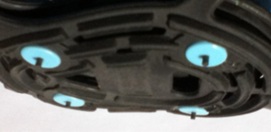
- Ice grippers, such as spikes or studs, may be an effective solution on ice
- Avoid footwear that readily accumulates snow or ice around the ice gripping devices, where it can become compacted
- Carefully consider the use of the coil or chain type ice grips
-
Ice grippers can be slippery on smooth surfaces such as stone, tile and ceramic and must be removed on these surfaces
-
If using footwear with retractable spikes, ensure the normal sole has the required slip resistance
-
It's important to trial footwear before use to assess the effectiveness of footwear in practice
Vehicles
- Avoid ice - Don't drive on ice unless you have to
- Exercise particular caution from 6am to 11am
- Check ground conditions before exiting your vehicle - "Open the door, Check the floor"
- Use the HSA Winter Driving Tips
- Allow extra time for your journey
- Follow advice from the Road Safety Authority and other official safety bodies
Clearing snow and ice
"Physiotherapist awarded €1m after slip on icy steps" (January 2014) - "Three yellow 'wet floor' caution signs were also placed on one side of the steps"
- Risk assess the process of clearing snow and ice
- The risk assessment should include manual handling as well as slips, trip and fall issues
- Consider footwear for snow and ice
- Use the right tools, e.g. snow ploughs etc.
- Try to work from surfaces that have already been cleared
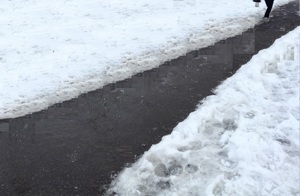
Ice slips can be an important part of Slip Risk Assessment and Prevention
A risk assessment approach to ice slips and falls should consider